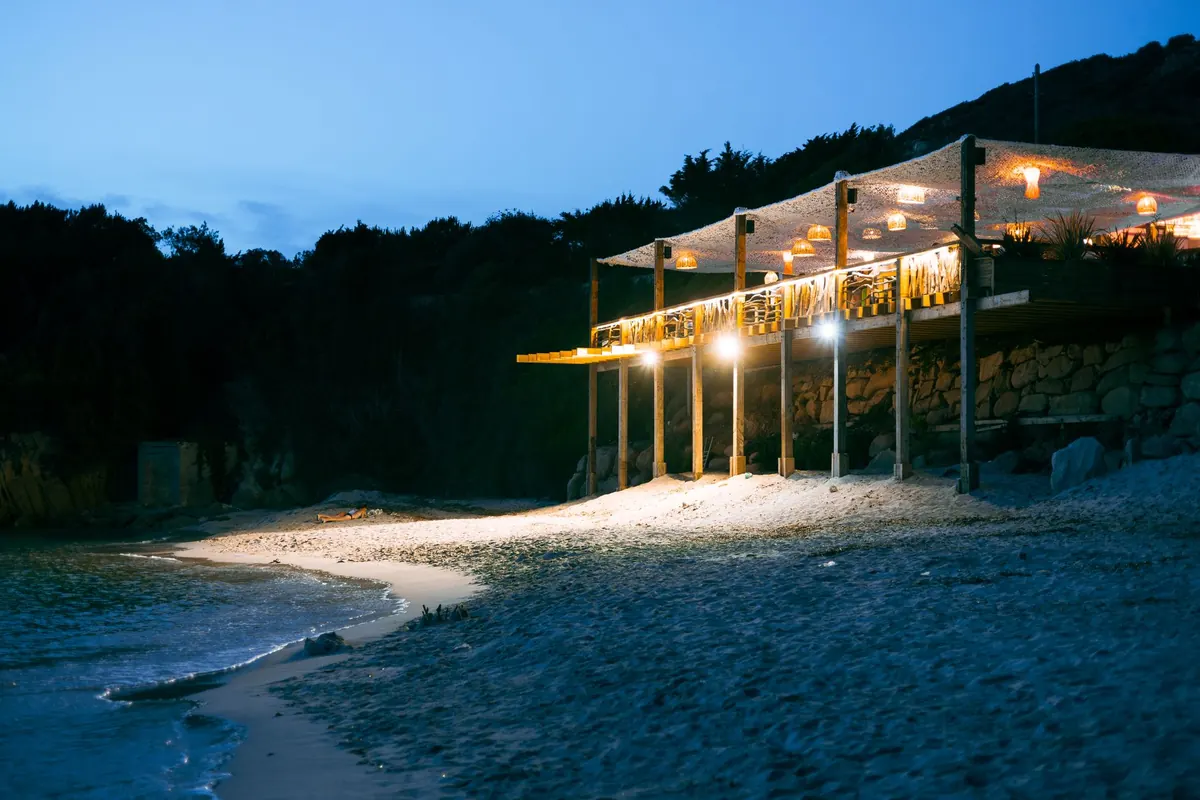
A table by the water is one of the better reasons to eat out. It is also a different kind of evening from a dining room with four walls, a ceiling and a thermostat. Wind moves things around. The sun decides how long you can comfortably sit facing west. The air cools faster than you expect once the light goes. None of this is a problem, but it helps to know it before you arrive, particularly on a first visit. What follows is a plain account of how an outdoor seaside terrace actually behaves, and how to arrange your evening so the setting works for you rather than against you.
The Room Without Walls
A terrace is not a fixed space. It changes hour by hour, and the table you are shown at seven in the evening may be a different experience by nine. Early on, the stone or timber deck still holds the day's heat and the light is flat and bright. Then the sun drops, shadows from the pergola or the neighbouring building stretch across the floor, and everything cools at once. Sounds change too: conversation softens, the water becomes audible, and the wind often picks up exactly when you are halfway through a main course.
Servers who work these terraces all season know precisely where the wind comes from and where the shade falls at eight o'clock in July. They are the most useful people in the building. If you have a preference — full sun, deep shade, shelter, or the unobstructed view — say so when you are shown to the table rather than after you have settled. Moving early is easy. Moving after the plates arrive is not.
What to Wear: Dress Code and Practicalities
Most seaside terraces sit somewhere between smart casual and relaxed. Linen, cotton, well-cut shirts and sundresses are the norm; beachwear and bare torsos usually are not, even when the terrace is a few steps from the sand. If you are unsure, a collared shirt or a simple dress with flat shoes will never look out of place.
The practical side matters more than the style side. Coastal air is cooler and damper than the streets a few hundred metres inland, and a terrace that is pleasant at seven can be genuinely chilly by ten. Bring a layer you can put on without leaving the table — a light jacket, a cardigan, a fine knit. Leave flowing scarves, wide-brimmed hats, loose paper fans and anything else the wind can take at home, or at least be ready to stow them. Flat shoes are a good idea on cobbles, timber decking and steps down to the water's edge; heels and open backs are a poor combination with a boardwalk.
A short list of what actually earns its place in your bag:
- A light layer for after sunset, even in high summer
- Sunglasses, and a case to put them in when the sun drops
- A hair tie or clip if you have long hair
- Flat, stable shoes for uneven floors and steps
- Sun protection for the early evening, not just midday
Wind: The Uninvited Guest
Wind is the single thing first-time guests underestimate. It is rarely dramatic — a steady onshore breeze, not a gale — but it is persistent, and it does small things: lifts the corner of a menu, slides a napkin off a plate, tips an empty glass, cools your food faster than you would like. On exposed terraces, a breeze that felt refreshing when you arrived can feel like a draught by the second course.
You have more control than you think. Ask for a table on the sheltered side, near a wall, behind a glass screen or planter, or in a corner rather than on the open edge. Weight your napkin with the cutlery, or ask for one of the small weights or clips some terraces keep on hand. Tie your hair back before the food arrives rather than mid-mouthful. If the wind is genuinely spoiling the evening, say so — many places keep indoor tables in reserve and would rather move you than have you leave unhappy.
Sun and Timing: When to Book
Sun exposure is not just about whether you are under the awning. It is about which way the terrace faces and what time you sit down. A west-facing terrace will put the low evening sun directly in your eyes for a stretch of twenty or thirty minutes before it sets; an east-facing one goes into shade long before the evening begins. Neither is better, but knowing which you prefer makes the booking easier. If bright, low sunlight bothers you, ask for shade or a table facing away from the sunset when you reserve, not when you arrive.
Timing follows the same logic. Book the earlier seating if you want to watch the light change and still be comfortable without a jacket; book later if you prefer candles and a darker view. Sunset itself takes longer than most people expect, and the light is at its most beautiful in the half hour after the sun disappears. That is the stretch to aim for. It is also the stretch when the temperature drops fastest, so the layer you brought is doing its job.
Choosing Your Seat
Terraces usually have three rough zones, and each suits a different kind of evening.
- The front row. The view, unobstructed, and the most atmosphere. Also the most wind, the most sun, and the most foot traffic from other guests photographing the same view.
- The middle. A good compromise — you still see the water, but the tables around you break the breeze and you are less exposed to the low sun.
- The sheltered edge. Near the building, behind a screen or under a canopy. Warmer, calmer and quieter, with a partly blocked view. Ideal for a long dinner, a cool evening, or anyone who feels the cold.
If you are celebrating something or have travelled a long way to be there, take the front row and accept the trade-offs. If you want to talk for three hours, take the sheltered edge and enjoy being warm.
Pace, Plates and Practical Details
Outdoor service runs at a slightly different rhythm. Kitchens can be a distance from the terrace, so courses may arrive a little slower, and food cools faster once it lands. Order with that in mind: hot dishes first, anything delicate while it is still at its best, and save the slow conversation for after the plates are cleared. If you plan to linger, mention it early — a good team will pace the meal around you instead of bringing everything at once.
Two small things worth asking about when you sit down: whether blankets are available on cooler evenings, and what happens if the weather turns. Most seaside terraces have a plan for a sudden shower or a strong gust, usually a move indoors or under cover. Knowing the plan before you order means you can relax and enjoy the view instead of watching the horizon.
Before You Go: A Short Checklist
None of this takes long, and all of it makes the evening smoother. When you book, mention whether you want sun or shade, and whether wind is likely to bother you. Bring a layer, wear shoes you can walk on uneven ground in, and arrive a few minutes early so you can ask about seating without holding up the table. Keep sunglasses handy and hair tied back. Order hot food first, tell your server if you intend to stay a while, and ask about blankets and weather cover before the plates arrive. Do that, and the setting stops being something you have to manage and becomes simply the reason you chose the place.
Photo: Ad Thiry / Pexels