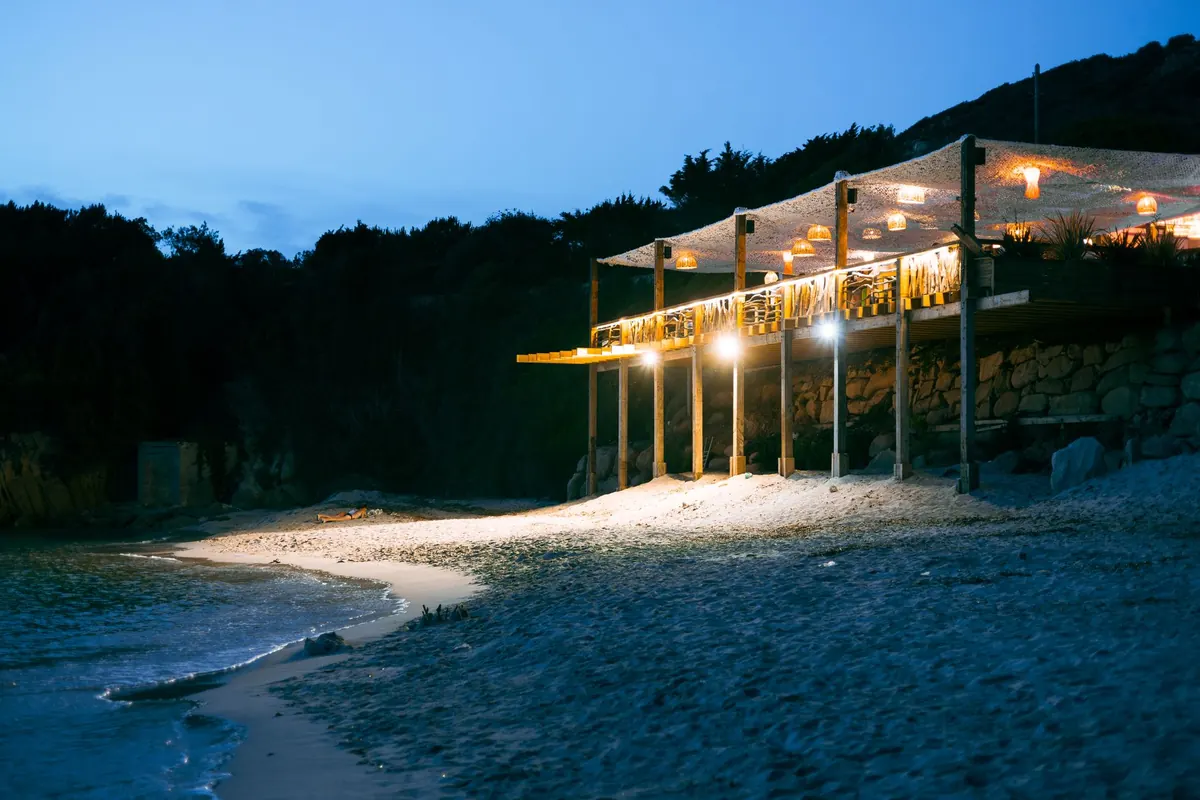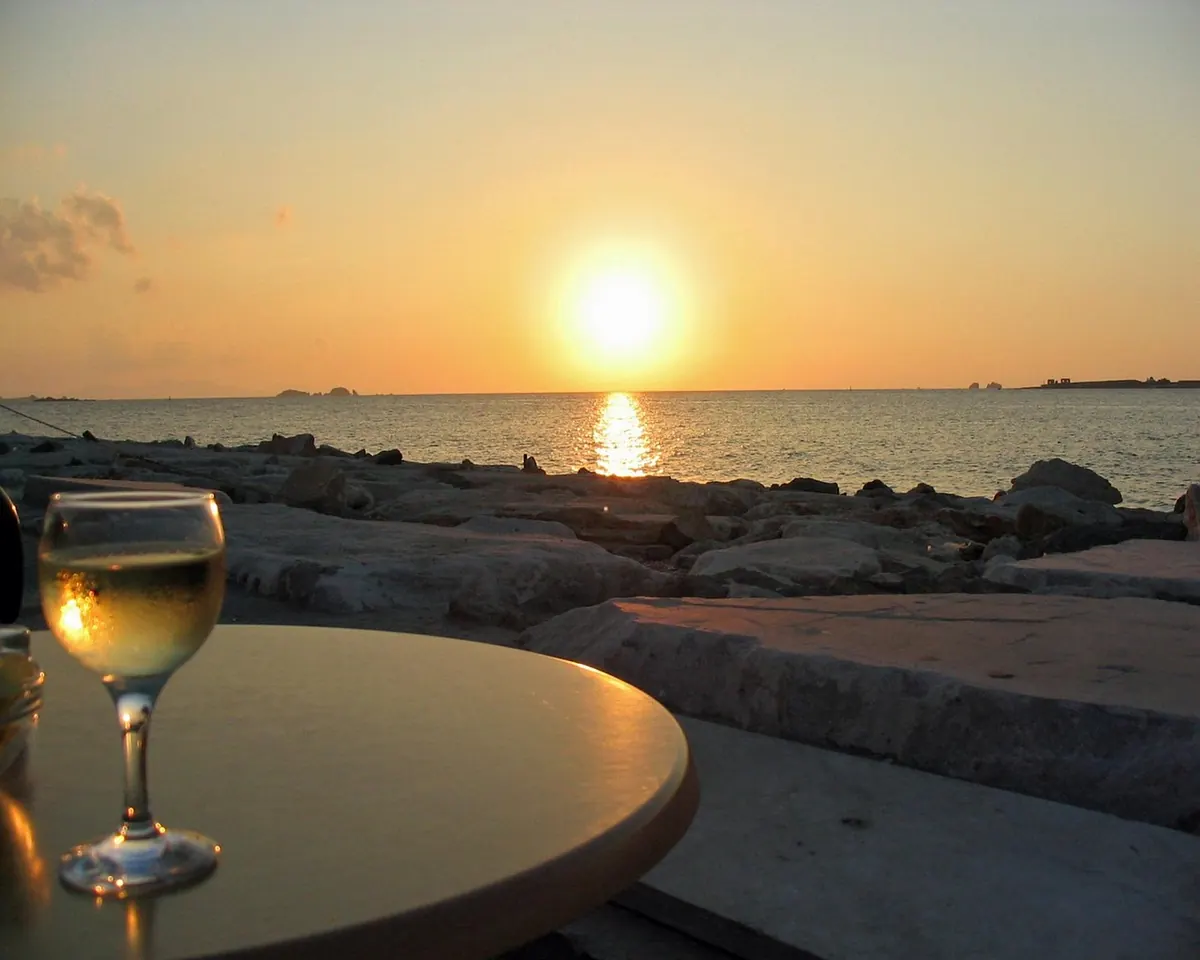
Of all the tables on the terrace, the ones facing the water at sunset go first. That is not marketing talk; it is simple arithmetic. The light lasts a few minutes, the front row holds a handful of people, and everyone who has eaten here once wants the same seat again. The good news is that a sunset booking is not a lottery. It rewards a little planning, a clear request, and knowing in advance what you will do if the wind picks up.
Start With the Light, Not the Clock
Most people book a table for a time they like and then hope the sun cooperates. Work the other way around. Look up the sunset time for your date first, then aim to be seated roughly thirty to forty minutes before it. That gives you time to settle, order something cold, and watch the water change colour instead of arriving mid-performance with a menu in your hands.
Sunset is not a fixed hour, and this catches people out. In midsummer it can arrive late enough that a sunset dinner means eating well into the evening. By early autumn the light is gone before the first course is cleared. A table booked at the same clock time in June and September will feel like two different restaurants.
When you make the booking, ask for the sunset seating rather than reciting a time. Our team knows when the light leaves the terrace on any given week, and a request framed around the sunset is easier to place than a request for 7:45 on the dot. If the exact minute you wanted is taken, take the seating either side of it. Twenty minutes earlier or later rarely ruins the view; a table at the wrong end of the evening often does.
How Far Ahead to Book
The honest answer depends on the day. Friday and Saturday evenings in late spring through early autumn are the ones that disappear first, and a two to four week lead is sensible if you have a specific date in mind. Midweek in the shoulder months is more forgiving; a few days is usually enough. In the quieter season, a day or two ahead will nearly always work, and a same-day call is worth making even when the diary looks full, because plans change and tables come back.
The booking itself takes about three minutes if you have the details ready:
- Check the sunset time for your date and subtract thirty to forty minutes.
- Request that time and write “sunset table” in the notes, along with any seating preference.
- Give both a phone number and an email address so we can reach you quickly if something changes.
- Mention the occasion once, briefly, and note any allergies or dietary needs at the same time.
- Confirm the number of guests. A table for two and a table for six are not interchangeable on a full terrace.
One more thing worth doing: book by phone or through the form if your plan hinges on the view. Email threads are fine for logistics, but a quick conversation settles seating questions far faster.
Asking for the Right Table
“A table with a view” means different things to different people, and the terrace has more than one kind of good seat. Being specific helps us help you.
The front row
The rail tables are the closest to the water and the most requested. They are also the most exposed: lovely on a still evening, bracing when the wind comes across the bay. If you book the front row, bring a layer even in summer.
Corners and sheltered tables
A corner slightly back from the rail gives you the same horizon with less breeze, and it is usually quieter. For anyone who feels the cold, or for a table where conversation matters more than the photograph, this is often the better booking. Say so if that is what you want.
Requests that tend to work
- Be concrete: “second row, sheltered side” is easier to honour than “best table”.
- Mention a celebration once, in the notes. We will do what we can, but repeated requests across three emails rarely change the seating plan.
- Flag allergies and accessibility needs at booking, not on the night. Steps, space for a pram or a wheelchair, and a quiet corner all take planning.
- Offer a fallback. “Front row if possible, otherwise anywhere facing the water” gives us room to say yes to something.
What we cannot promise is a specific table number weeks in advance. Seating depends on the weather, on how the evening fills, and on guests who linger. What we can promise is that a clear, reasonable request written at the time of booking is read and noted.
Read the Confirmation Before You Reply
Confirmations are short, and it is easy to skim them. Read yours properly, ideally while you still have the booking page open. The details that matter most:
- Date and day of the week. More mix-ups happen here than anywhere else.
- Time and arrival note. Some sunset seatings ask you to arrive a few minutes early; others hold the table for a short grace period only.
- Guest count. An extra guest added on the night may mean a different table.
- Seating notes. Check that your request was recorded, and correct it now if it was not.
- Deposit and cancellation terms. Larger tables and peak dates sometimes carry conditions; know them before the day.
- Weather policy. If it is not stated, ask. One short question now saves an awkward call later.
- Allergies. If you told us on the phone, make sure it appears in writing.
Reply to confirm, and keep the message somewhere you will find it. On the evening itself, a confirmation on your phone settles most questions at the door in seconds.
When the Weather Turns
Seaside dining means seaside weather, and a sunset booking is exactly the kind that a brisk wind or a passing shower can spoil. Set the backup plan when you book, not when you are standing in the rain.
Check the forecast on the morning of your reservation, and look at the wind as well as the rain. A clear evening with a stiff onshore breeze can be less comfortable on the rail than a mild, overcast one. If the outlook is poor, call us by midday where possible. We can often move you to a sheltered table under cover, swap you to an indoor table with the same menu, or move the booking to another evening entirely. Ask what the cut-off is for changing or cancelling without charge, and put it in your diary.
If conditions change suddenly and you decide not to come, call rather than simply not arriving. A late cancellation frees a table for someone else, and it keeps your next booking straightforward. For anyone travelling some distance, or planning a proposal or a birthday around the view, consider booking two evenings in the same week and releasing the spare once the forecast firms up.
A Short Check Before You Send the Request
Sunset time checked for your date. Table requested for thirty to forty minutes before it. Seating preference stated plainly, with a fallback. Guest count and occasion noted. Allergies written down. Phone number correct. Weather plan agreed, and the cancellation cut-off in your calendar. Get those seven things right and the rest is easy: arrive a little early, order something cold, and let the light do the work.
Photo: Laborratte / Pixabay