Booking a table for two is a small decision you can make on a Tuesday afternoon. Booking for fourteen people, half of whom have opinions about shellfish, is closer to a small project — one with a deadline, a budget and a seating plan. Almost everything that goes wrong with group dinners goes wrong in the booking rather than in the kitchen. Settle the details before you arrive and the evening mostly takes care of itself.
Here is the checklist: how to size the party, what to ask about deposits, when to arrive, how to flag allergies, and how to split the bill without an argument at eleven o'clock.
Start With a Headcount You Actually Trust
Group numbers drift. A guest says "probably", a cousin brings a partner, two colleagues drop out on Friday. Multiply that by six weeks and you have a table for eighteen with twelve people sitting at it.
Build the number from confirmed replies, not from invitations. Anyone who has not answered is a no until they do. Count children separately — they change the seating, the pace of the meal and sometimes what the kitchen needs to prepare — and note how many high chairs you need. Set a cut-off date for changes, three to five days out, and tell the group what it is.
Ask for the table you actually want
Not all tables are equal. A long table on the terrace has a different rhythm from two round ones near the window, and sixteen people in a single line make conversation difficult beyond your immediate neighbours. A family that wants to talk across the table is often better off in two adjacent tables of eight; a work dinner with speeches wants the long table and a corner. Say which you want when you book, because large parties usually get their layout assigned in advance.
When the number changes
Call as soon as it does. Adding two seats is usually easy; removing four can affect a deposit. Both are far simpler a week out than at 7:45 on the night.
Deposits, Cancellations and the Paper Trail
Group bookings often carry conditions that a table for two does not. Ask directly:
- Is a deposit required, and is it per person or per table?
- Is it charged now, or held against a card?
- Until when can the number drop without a charge?
- What happens if fewer people arrive than booked?
- Is there a set menu for larger groups, and can it be adjusted?
Get the answers in one email and keep it. A confirmation listing date, time, headcount, deposit and cancellation terms is worth more than a friendly phone call, because nobody has to remember anything. If anything involving money is unclear, ask for it in writing before you pay. Policies vary widely, and the terms on your confirmation are the ones that apply.
If you are collecting money from a group, do it once and do it early. Chasing eleven people for a deposit the night before is the least enjoyable part of organising dinner.
Timing: Sunset, Arrival Windows and Latecomers
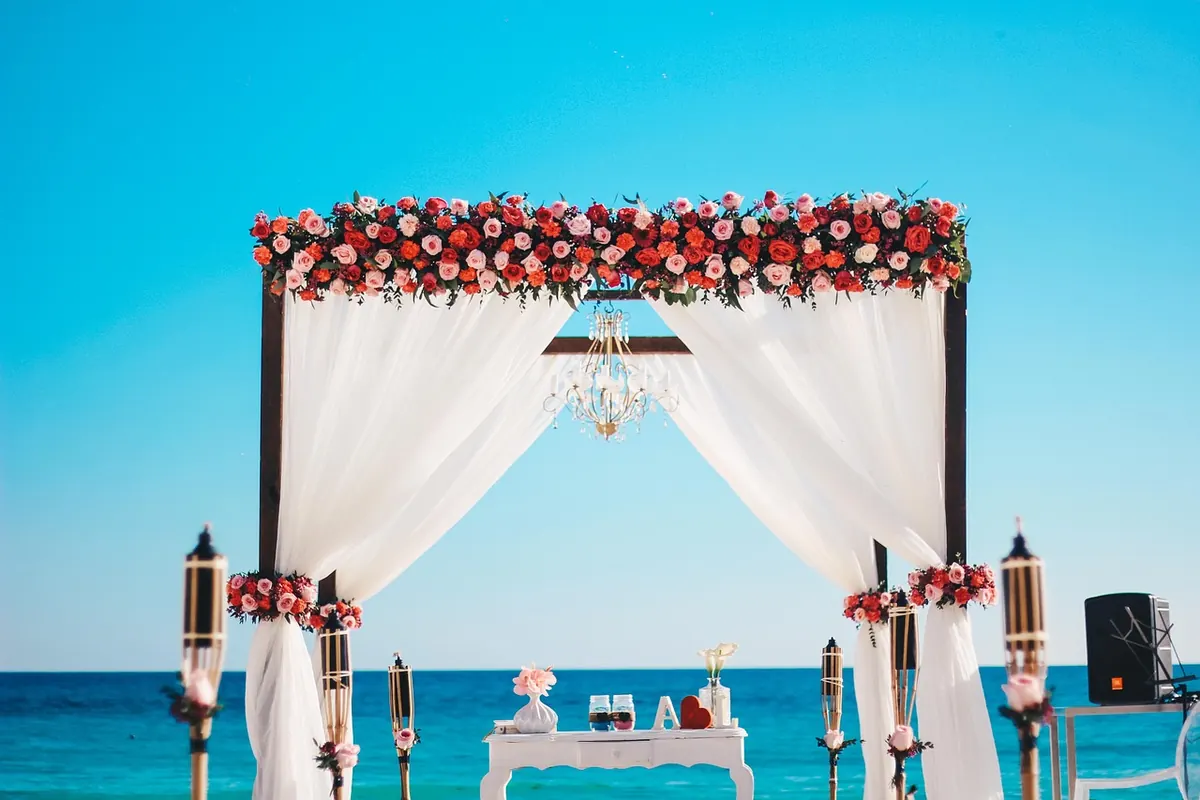
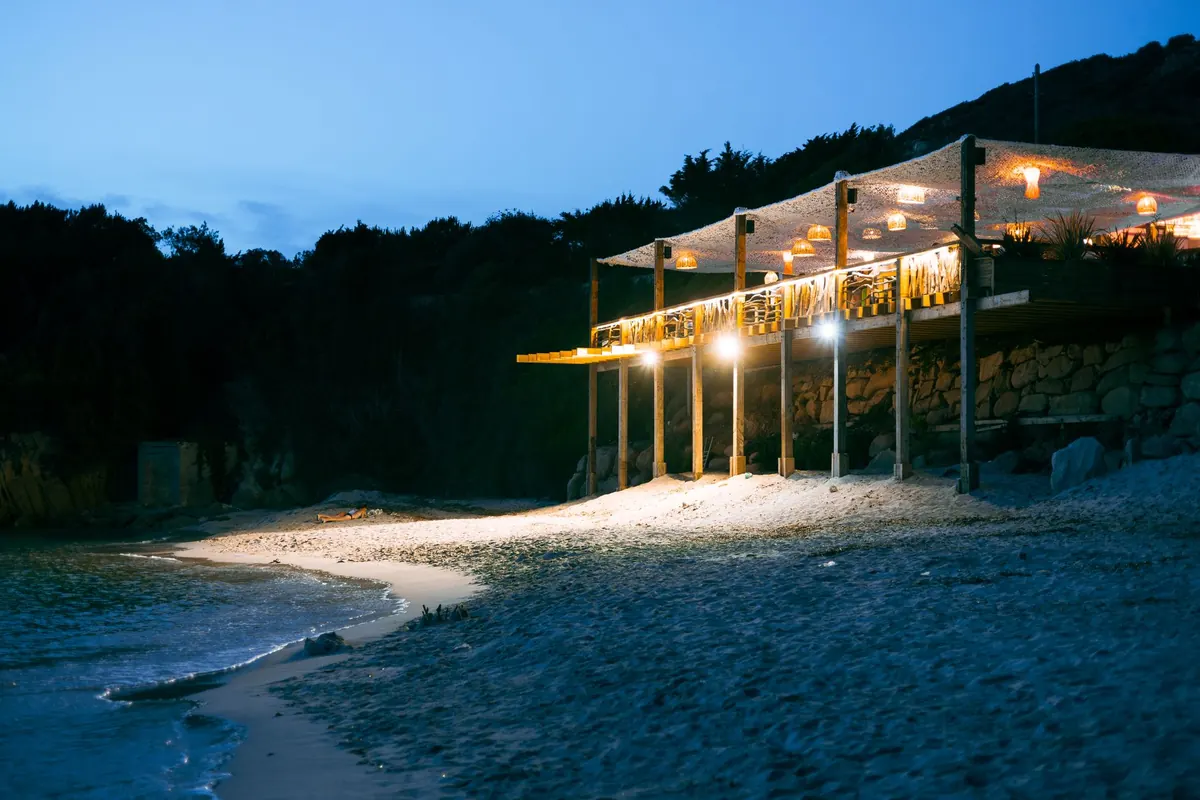
Seaside dining runs on light. Everyone wants the table at the moment the sun drops, so that window goes first and is often the least flexible. If sunset matters, say so when booking and be ready to eat earlier or later.
For a group, the practical rule is a fifteen-minute arrival window. Give guests the reservation time and ask them to arrive within a quarter of an hour of it, either side. That gives the front of house a predictable start, stops the kitchen firing courses for four while six are still parking, and means nobody spends the first half hour defending a table.
If your group is running late, call. A table held for twenty minutes is one thing; a table held for fifty with no word is another. One call from the organiser is enough.
Plan for weather too. A terrace booking in shoulder season can turn breezy after dark, so tell the group to bring a layer, and ask whether indoor space is held in reserve.
Allergies and Dietary Needs, Collected Before the Night
Collect dietary requirements when you book, not when the menus are already on the table. Ask each guest two things: what they cannot eat, and how serious it is. "I avoid dairy" and "dairy puts me in hospital" lead to different conversations in the kitchen.
Send the list in writing a few days ahead and confirm it again on arrival. A short summary beats a long thread:
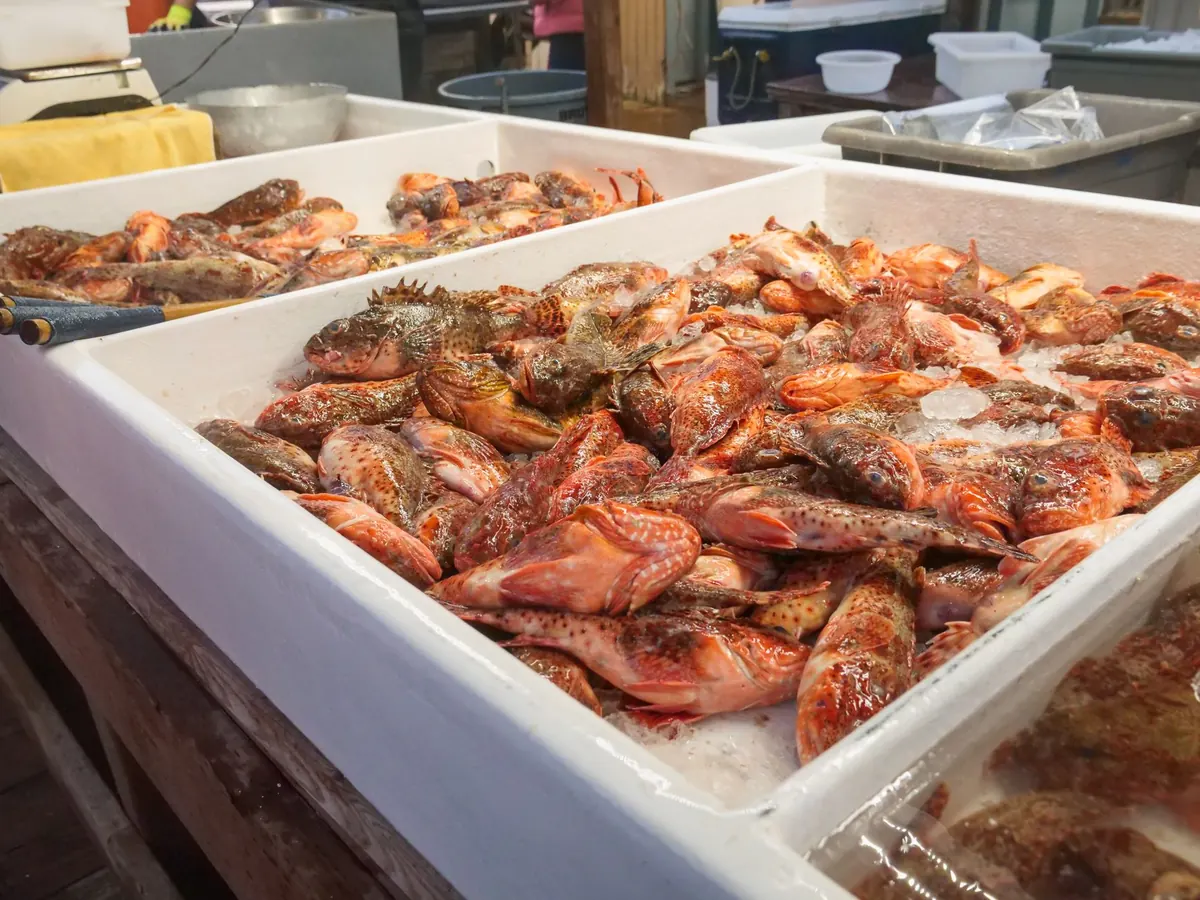
- One guest, shellfish allergy, severe — no cross-contact
- Two guests, vegetarian
- One guest, coeliac — gluten-free, including sauces and fried items
Be honest about severity, and equally honest about preferences that are not medical. A kitchen can work around both, but it plans differently for each. Anyone with a serious allergy should also speak to staff themselves on arrival, and anyone managing a significant condition should take medical advice and carry whatever they normally carry. A restaurant can be careful and clear about ingredients; it cannot give medical guarantees.
Splitting the Bill Without Spoiling the Evening
Decide how the bill will work before anyone sits down. There are three workable models and one bad one: one person pays and collects afterwards, the bill is divided evenly by headcount, or it is split by household with each group covering its share. The bad one is deciding at the end, when the coffee is cold and two people have already left.
Ask at booking what the restaurant can do. Many places take several cards, but the number may be limited on a full night, and itemised splitting for fourteen people is slow work at the till. For a large group, agree in advance that the bill will be divided by headcount or by household, and put it in the confirmation message so nobody is surprised.
Ask how service is charged if you are unsure, and have cash ready if you are covering a share. And remember that whoever organised the booking has already spent a few evenings on it.
The Week-Of Confirmation
Five days out, send one message repeating the essentials: date, time, address, final headcount, layout, deposit paid, allergy list and how the bill will be handled. Ask for a yes from each guest. Then call the restaurant to reconfirm the number, the arrival window and anything special you have requested. Two days before, do it once more with the final figure — and cancel any seats you no longer need while there
Photo: u_rjjtezzea7 / Pixabay